A Guide to Water Damage Services: How to Safeguard Your Property
Water damage poses significant risks to properties, requiring a thorough understanding of available services. Homeowners often overlook common causes and early signs of damage, which may result in expensive repairs. Prompt and well-informed responses are critical. Consulting professionals can deliver comprehensive evaluations and efficient remediation. However, many property owners remain unaware of the full extent of preventive measures available. Examining these factors can uncover essential methods for protecting your property from unexpected water-related concerns.
Recognizing Common Causes of Water Damage
Water damage can arise from a variety of sources, making it essential to recognize the common causes that contribute to such concerns. One prevalent cause is plumbing issues, including ruptured pipes or defective appliances, which can discharge large quantities of water. Storm-related occurrences, such as severe rainfall or flooding, also play a role in water damage, particularly in areas prone to severe storms. Furthermore, roof leaks may develop due to wear and tear, permitting water to penetrate the property. Faulty drainage systems and obstructed gutters can compound these concerns by channeling water toward the foundation. A frequently disregarded cause involves humidity and condensation, which can result in mold development and structural deterioration over time. Being aware of these frequent causes can enable property owners adopt preventive strategies, shielding their homes from the potentially harmful impacts of water damage.
Spotting Water Damage Signs Early
Identifying the initial indicators of water damage is crucial for successful prevention. Property owners should keep watch for particular signals that water intrusion may be taking place. Discolouring on interior surfaces, commonly appearing as brown or yellow stains, can indicate plumbing or roofing issues. Furthermore, wallpaper or paint that is peeling may point to extended exposure to moisture. A musty odor often accompanies water damage, hinting at the presence of mold. Property owners should also inspect for distorted or uneven flooring, which may occur due to moisture absorption. One more important indicator is noticeable moisture condensing on walls or windows, indicating excess humidity levels. Prompt recognition of such indicators enables prompt action, lowering the likelihood of extensive damage and costly repairs. Routine maintenance and inspections can also assist in spotting these warning signals, promoting an active strategy for maintaining and protecting your property.
Critical Steps Following Water Damage
Following water damage incidents, it is vital to take swift measures to minimize subsequent damage. First, shutting off the water supply is necessary to prevent additional flooding. Following that, evaluating the damage and documenting everything thoroughly will facilitate the recovery process while supporting potential insurance claims.
Stop The Water Supply
Locating and eliminating the source of water intrusion is essential in mitigating damage and preventing further complications. Swift steps must be pursued to limit the consequences for the property. This typically requires identifying the main cause, whether the culprit is a ruptured pipe, a compromised roof, or an overflowing fixture. Property owners should shut off the water at the main valve to stop the examine guide flow, consequently limiting further water collection. In certain situations, reaching out to a licensed plumber may be required to resolve the problem efficiently. After the source is contained, a more controlled restoration process can begin. Promptly stopping the water source is a critical first step in protecting the property from extensive damage.
Assess The Damage
Once the source of water has been halted, assessing the overall damage becomes essential. This initial assessment involves pinpointing the damaged sections, including walls, floors, and personal belongings. Water commonly infiltrates surfaces, leading to concealed deterioration that can be difficult to detect right away. Professionals typically inspect for structural integrity and the presence of mold, which can grow quickly in damp conditions. They frequently examine the extent of damage to wiring, electrical components, and appliances. It is essential to identify the category of water present—clean, gray, or black—as this impacts the cleanup approach. A prompt and thorough evaluation sets the foundation for successful remediation work, ultimately minimizing lasting damage to the structure and creating a more secure space for occupants.
Thoroughly Document Everything
Thoroughly documenting all damage is essential in the aftermath of water damage. Such careful documentation serves several important functions, including streamlining insurance claims and guiding restoration efforts. Homeowners should start by capturing clear photos of damaged areas, capturing both wide shots and close-ups of specific damage. Furthermore, keeping a detailed inventory of damaged items, including descriptions and estimated values, can be extremely beneficial. It is strongly recommended to record the exact date and time of the occurrence, along with any immediate actions taken, such as reaching out to restoration experts. This documentation not only supports insurance processes but also assists in determining the degree of damage for future reference. By keeping detailed documentation, individuals can secure a more streamlined recovery journey.
How Experts Can Assist With Water Damage
Trained technicians serve a critical function in mitigating the effects of water damage, employing specialized techniques to restore affected areas effectively. They initiate the process by analyzing the severity of the situation, utilizing advanced tools to detect concealed dampness and underlying risks. This detailed evaluation enables a customized approach to each specific circumstance.
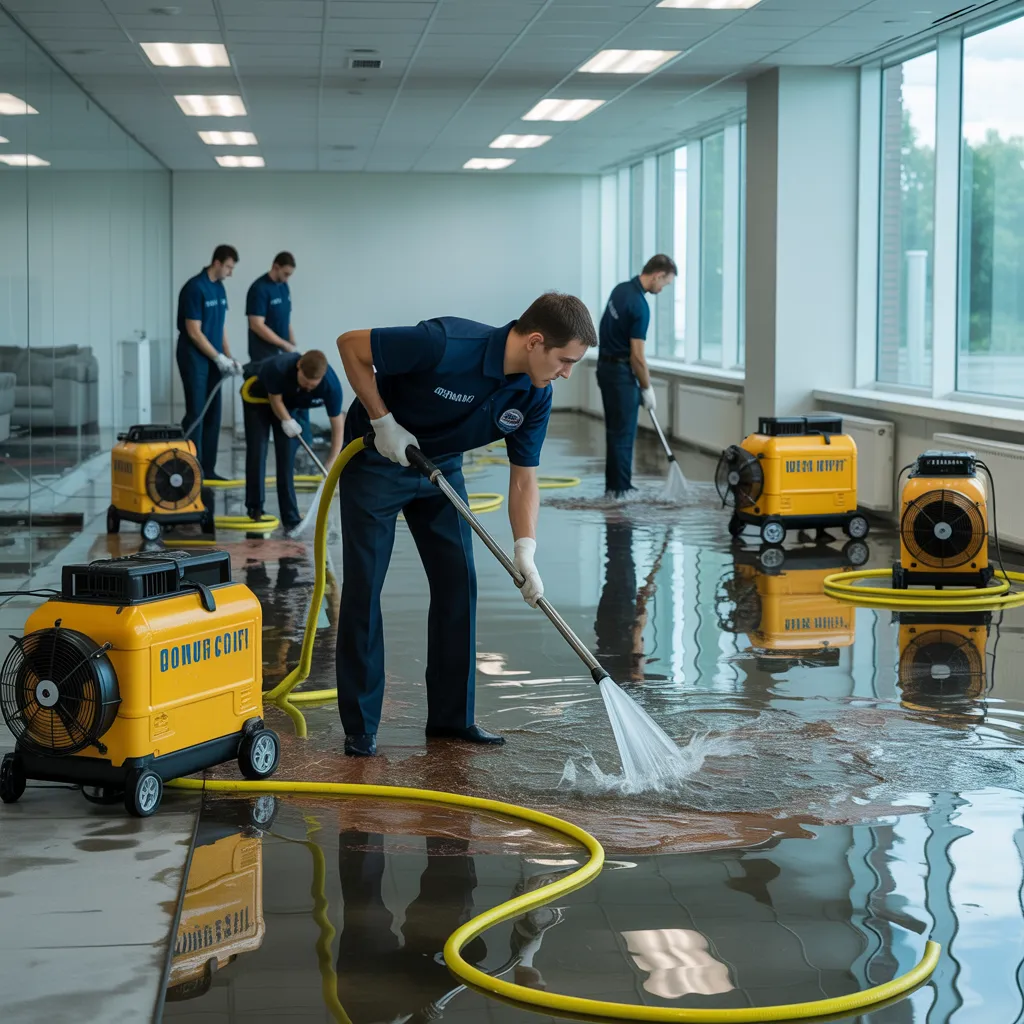
Once the evaluation is complete, experts apply focused water removal techniques to remove excess moisture from walls, carpets, and surrounding surfaces. They also use industrial-grade dehumidifiers and air movers to facilitate rapid drying, preventing mold growth and structural deterioration.
Furthermore, specialists can identify and address likely causes of water infiltration, delivering guidance for repairs and preventive measures. Their knowledge of building materials and restoration techniques ensures that homeowners obtain optimal results. By trusting trained experts, property owners can preserve time, alleviate stress, and defend their investments successfully.
Important Steps in Water Damage Restoration
Water damage restoration involves a set of structured processes designed to return affected areas to their pre-damage condition. Initially, professionals assess the extent of the damage and identify the source of moisture. Subsequently, the damaged zone is properly sealed to avoid compounding issues, particularly mold proliferation. The subsequent phase involves water removal, during which advanced machinery eliminates accumulated water effectively.
After extraction, the drying phase commences, employing industrial fans and dehumidifiers to ensure all moisture is eliminated. When the area has been completely dried, experts move forward with cleaning and sanitizing surfaces to remove possible contaminants. Addressing and restoring deteriorated materials, including drywall or flooring, is the last stage, ensuring structural soundness and visual appeal. Throughout the process, records are kept for insurance claims, offering a comprehensive record of the remediation efforts. This methodical approach is critical for efficient water damage restoration and securing the property against future damage.
Essential Techniques for Water Damage Prevention
Avoiding water damage is essential for property owners and managers, as even slight moisture intrusion can lead to serious problems over time. One effective strategy is regular examination of roofs, downspouts, and gutters to confirm they are clean and operating as intended. This stops water from accumulating and seeping into the structure. Furthermore, sealing cracks in the foundation and walls can block unnecessary moisture penetration.
Installing sump pumps in basements and confirming proper drainage around the property can help reduce potential risks. Homeowners are encouraged to track indoor humidity levels, using dehumidifiers as needed to preserve optimal conditions. Regular maintenance of plumbing systems, including checking for leaks, is critical for early detection. Furthermore, training residents on water safety measures and emergency responses can equip them to react promptly when crises arise, reducing overall damage potential. Combined, these forward-thinking actions support sustained water damage prevention over time.
Understanding Insurance for Water Damage Claims
When navigating the challenges of insurance policies for water damage claims, homeowners regularly encounter a wide array of coverage options and policies. Standard homeowners insurance may cover specific categories of water damage, such as damage resulting from sudden leaks or burst pipes. Nonetheless, flood-related damage commonly calls for a separate flood insurance policy, which is critical for residences situated in flood-prone regions.
Homeowners should closely review their insurance documents to be aware of coverage exclusions and restrictions. For instance, progressive damage, such as extended water leaks, is usually not covered. Furthermore, most insurance providers require prompt reporting of claims; postponements may lead to decreased payouts or claim denial.
To effectively handle the claims process efficiently, homeowners are recommended to document the damage thoroughly, including photographs and written accounts. Engaging with an experienced adjuster can also assist in obtaining a fair resolution. In the end, knowing these key elements can have a major effect on the recovery process following water damage events.
Commonly Asked Questions
What Is the Typical Duration of Water Damage Restoration?
The water damage restoration process typically spans between a few days and several weeks, based on the severity of the damage, the impacted areas, and how efficiently the restoration team handles the process.
Am I Able to Handle Water Damage Repairs Myself?
Managing water damage repairs by yourself is an option, but often comes with significant risks. Professionals possess specialized equipment and expertise to guarantee thorough restoration, minimizing future complications. Weighing personal skills against the advantages of hiring specialists is key to handling damage in the most efficient way.
What Kinds of Insurance Policies Cover Water Damage?
Homeowners insurance commonly covers water damage resulting from sudden occurrences, while flood insurance directly covers damage from rising water. Policy specifics vary, so individuals should review their coverage details to secure proper coverage against potential water damage.
Are All Water Damage Services the Same?
No two water damage services are identical. They differ in their expertise, methods, and tools employed. Certain providers specialize in specific damage types, while others deliver complete remediation options, influencing the overall quality of results and customer experience.
Where Can I Locate a Trustworthy Water Damage Service?
To identify a trustworthy water damage provider, individuals should investigate nearby service providers, review client feedback, confirm industry certifications, and seek recommendations from others. Comparing quotes and evaluating response times can also aid in making an informed choice.